Wisdom teeth: impacted, erupted or painful—what changes the plan?
Understand wisdom tooth numbers, eruption, pain and the questions that determine whether removal is appropriate.
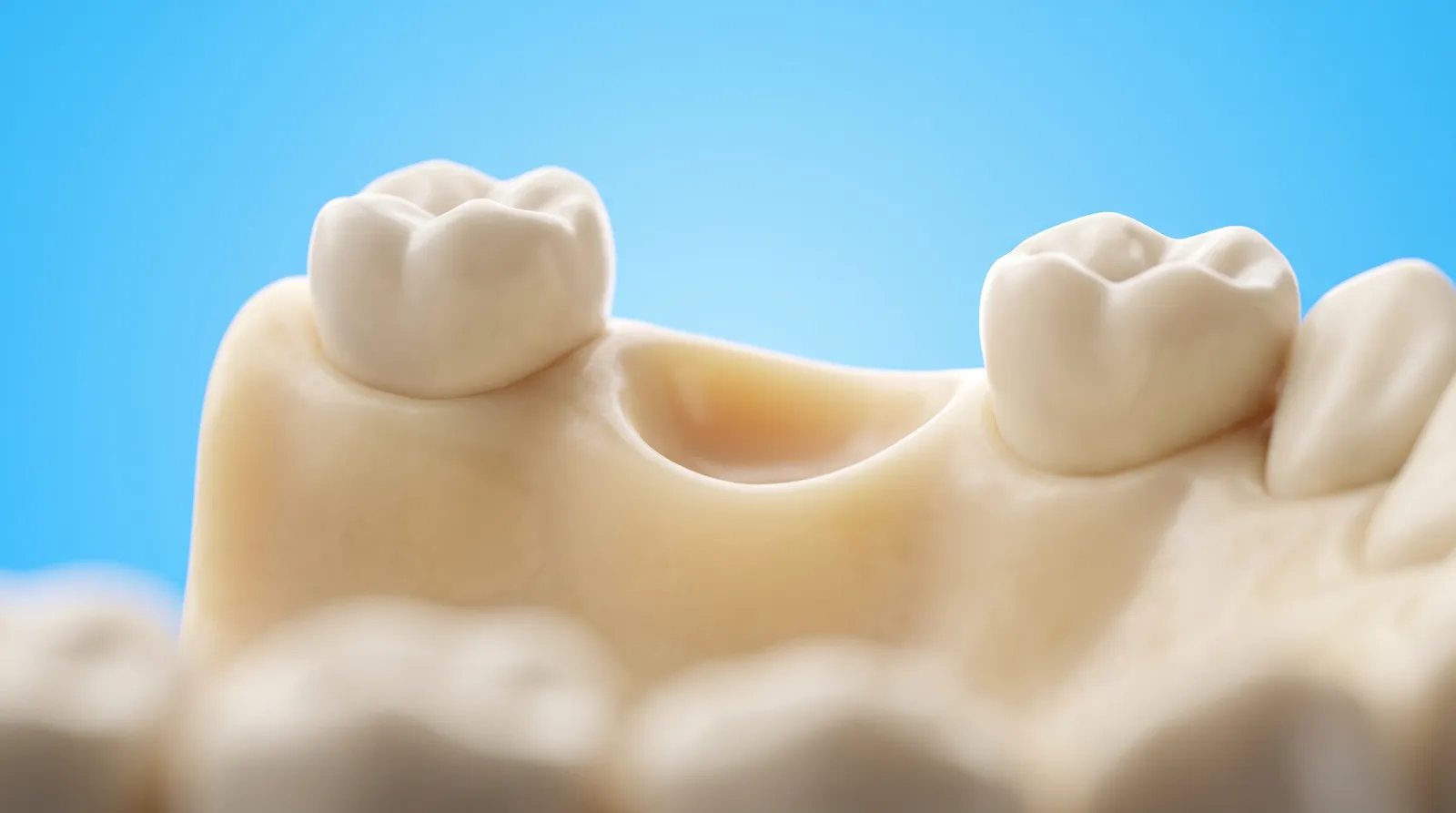
A tooth at the back is hurting, but you may not know whether it is a wisdom tooth, another molar or the surrounding gum. A dental examination matters more than matching your age or symptoms to an online picture.
Wisdom teeth are the third molars
Healthdirect describes wisdom teeth as the last molars at the back of the mouth. People may have up to four, but the number and eruption pattern vary. They usually appear in the teens or early adulthood. Pain at age 13 should not automatically be labelled wisdom-tooth pain; ask a dentist which tooth and tissue are involved.
Impacted and erupted describe position
An erupted tooth has come through into the mouth. An impacted tooth is prevented from reaching its usual position, for example by another tooth, bone or tissue. A tooth can also be only partly through. Not every impacted tooth needs removal; symptoms, disease and examination findings affect the decision. Healthdirect explains why wisdom teeth may need treatment.
A chipped or painful wisdom tooth needs assessment
Tell the clinic about swelling, difficulty opening your mouth, fever, a broken edge or pain when biting. Ask for advice on suitable pain relief while waiting. Pain relief does not establish that the underlying problem has resolved. Serious swelling with difficulty breathing or swallowing needs emergency care.
Can all four be removed together?
This can be considered, but it is not automatically the best plan. Ask which teeth actually need removal, the complexity of each, the proposed anaesthetic and the recovery implications of treating them together or separately. Removal time also varies; ask for the expected appointment length for your case rather than relying on a generic number of minutes.
Possible complications include dry socket, infection and nerve injury. Discuss individual risks and alternatives before deciding. Your clinician may recommend referral for a complex case.
Plan the recovery before the appointment
Swelling can be most noticeable during the first few days, and recovery depends on the difficulty of removal. Hull University Teaching Hospitals describes recovery. Read our extraction aftercare guide, then follow your own written instructions.
Bring the question to an assessment
Read wisdom-tooth assessment and booking information, or call 1800 833 844 during clinic hours. Explain what has changed and which clinic you prefer. Ask about the appointment fee and any separate treatment costs before proceeding.


