Tooth extraction aftercare: the first days and when to call
Care after an extraction and when to call your dentist. For trouble breathing or swallowing, or severe mouth or throat swelling, call 000.
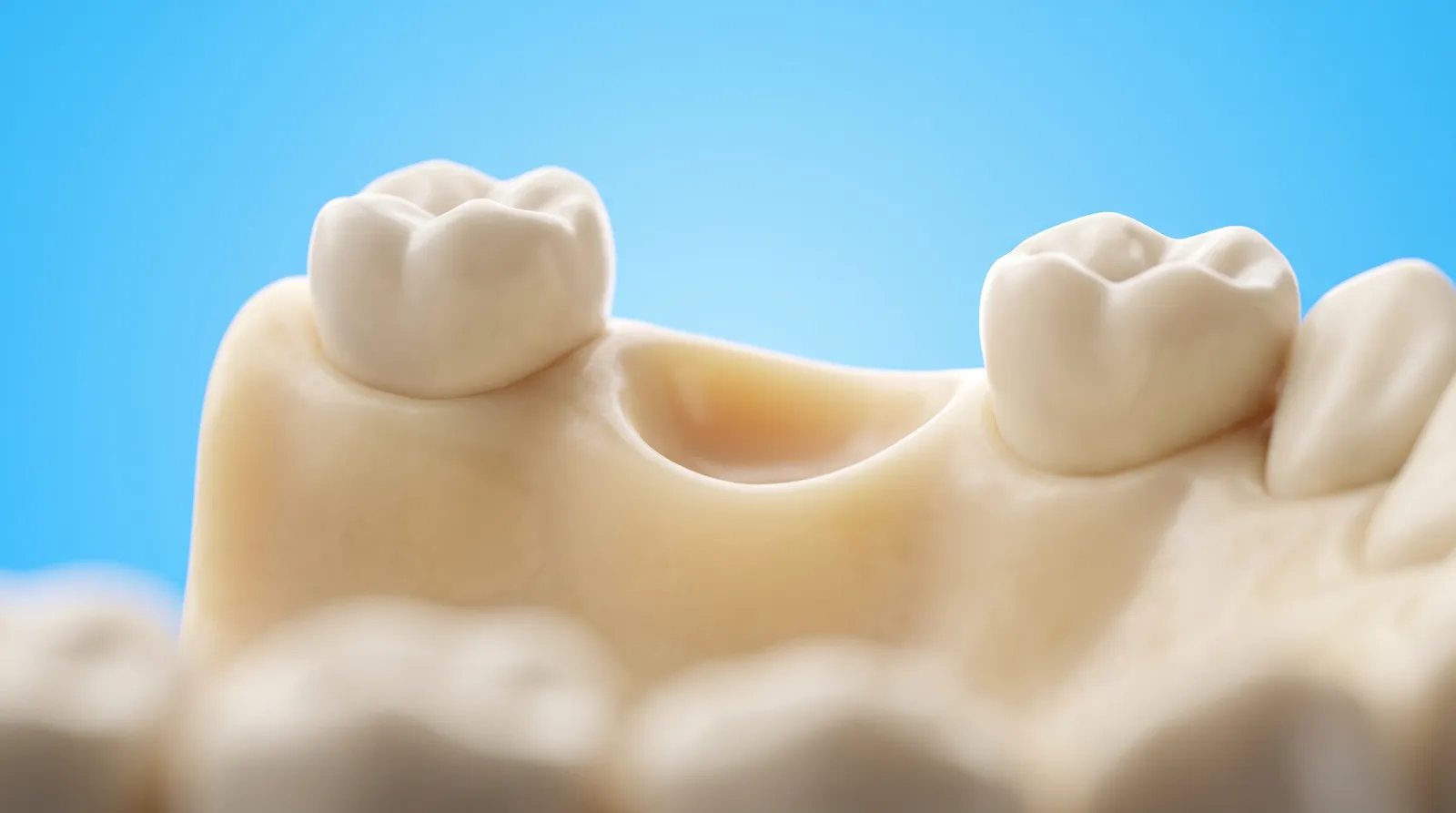
After a tooth is removed, the useful question is not just “what day am I on?” It is whether the wound is being protected and your symptoms are following the recovery plan your dentist gave you.
Use your own discharge instructions first, especially after complex surgery, sedation or a graft. This guide gives general information; it cannot assess your socket or replace advice from the team that treated you.
The first 24 hours: protect the clot
Do not poke the socket, rinse vigorously or spit during the first 24 hours. The clot helps the wound heal. While your mouth is numb, avoid hot food and drinks and take care not to bite your lip or tongue. Choose soft food and avoid strenuous exercise initially.
After 24 hours and around day three
Carefully resume cleaning your teeth without disturbing the socket, and follow your dentist’s instructions for gentle warm salt-water rinses. Pain and swelling can build over the first 72 hours after surgery before settling; more complex procedures can take longer. Smoking delays healing. Take any prescribed or recommended medicines exactly as directed, checking suitability with your clinician or pharmacist.
These general steps are supported by UCLH’s extraction aftercare guidance. Your treating team may give different instructions for your procedure.
Days four to ten: improvement matters more than a deadline
Wisdom-tooth surgery can leave discomfort, stiffness or bruising for up to two weeks. A fixed day-by-day promise would be misleading. Do not use another person’s recovery timetable to dismiss symptoms that are worsening.
Dry socket is a painful complication involving loss or failure of the protective clot. Persistent bleeding, severe or worsening pain and swelling, or pain with a bad taste, fever or feeling unwell needs urgent dental advice. These warning signs are described in the NHS wisdom-tooth removal guide.
Bad smell or bad breath after an extraction
Tell your dentist when the smell started and whether it comes with pain, swelling, fever or a bad taste. A smell alone cannot identify the cause, and mouthwash cannot confirm that the wound is healing properly. Do not scrape inside the socket to investigate it.
Questions about bone or a future implant
If you are concerned about something hard or sharp at the socket, ask your treating dentist to examine it rather than trying to remove it. If you are researching bone preservation or replacement of the extracted tooth, request a separate discussion of the treatment plan. Routine aftercare instructions do not establish whether you need a graft or when an implant would be suitable.
Healing time, broken teeth and future implants
After wisdom-tooth removal, early recovery can take up to two weeks, with the course affected by the procedure. NHS inform describes the recovery period. This is not a deadline for complete healing of every socket. Ask your treating clinician when the wound and underlying bone will be reviewed, especially before a replacement tooth is planned.
Bone preservation around extraction is a separate planning question. Read our extraction-to-implant guide and graft guide before discussing whether it is needed in your case.
If the tooth has not yet been removed, including a molar broken at the gum line, an assessment is needed to decide whether it can be restored or requires extraction. The NHS explains that broken-tooth treatment can include fillings, crowns or root canal treatment. Do not assume a visible break means removal is inevitable. Tell the booking team whether you need help before extraction or with symptoms afterwards.
Who to contact
Contact the team that performed your extraction first: they know the procedure and your individual instructions. When calling, give the extraction date, tooth involved, current symptoms and medicines taken.
For an Enhanced Dental Studios assessment, call 1800 833 844 during clinic opening hours. Our emergency dental assessment is free; any treatment is quoted separately. Availability must be confirmed. Our phone is not answered around the clock. For breathing or swallowing difficulty or severe mouth or throat swelling, call 000; do not wait for a website response.


