Scared of the dentist? It is not the pain you are afraid of
Ask people what frightens them about the dentist and they say pain. Listen to what they describe and it is almost never pain. Here is what dental fear actually is, where yours came from, and the small things that give you back control.


You have the number typed in. Your thumb is over the call button. You put the phone down and tell yourself you will do it Monday.
If that is you, you are not unusual and you are not weak. You are also not afraid of what you think you are afraid of.
Ask people what frightens them about the dentist and almost everybody says the same word. Pain. But listen to what they describe, and pain is rarely the thing. Modern dental work is done with the area fully numbed. Most patients say a filling felt like pressure and nothing more. The fear is bigger than the sensation, and it does not shrink when the sensation does.
So what is it?
It is not the drill. It is the loss of control.
Think about what actually happens in that chair.
You are lying flat, which is a position you take almost nowhere else in your adult life. You cannot see what is happening to your own face. You cannot speak, because there are hands in your mouth. You do not know how long it will last. You do not know what it will cost until afterwards. And somebody you met ten minutes ago is looking at the part of you that you are most embarrassed about.
Every single one of those is a loss of control. Not one of them is pain.
That is why the numbing does not fix it. Numbing solves a problem you did not have.
Which of these is actually yours
People say "I am scared of the dentist" as though it is one thing. It is usually one or two of these.
- Being told off for how long it has been
- Not being able to say stop once it starts
- Gagging, or feeling like you cannot breathe or swallow
- The needle, rather than anything that comes after it
- The sound, more than the feeling
- Not knowing what it will cost until the bill
- Being seen. Somebody looking closely at teeth you are ashamed of
- A bad experience years ago, often as a child, that never got replaced by a good one
Pick yours out of that list. It matters, because they have different answers. Somebody who is frightened of the needle needs something different from somebody who is frightened of the lecture.
Where it came from, and why it is not your fault
Almost every adult with dental fear can name the moment. It is usually one of four.
Dentistry used to be worse. If your first memories are from the seventies or eighties, you are remembering a different profession. Slower drills, blunter tools, less effective numbing, and a culture that told children to be brave rather than asking them what they needed.
Somebody made you feel small. A lecture about brushing while you were lying there with your mouth open. It works on nobody, and it teaches people to stay away.
A visit went wrong. Numbing that did not take. A procedure that ran long. Being told it would be quick when it was not.
It has been years, and the shame has compounded. This is the cruellest one, because it feeds itself. The longer you leave it, the more there is to find, and the more there is to find, the harder it is to walk in. The gap becomes its own reason.
Notice that not one of those is a character flaw. You did not fail at this. Something taught you to avoid it, and avoidance worked, right up until it stopped working.
What you have already tried
Booking, then cancelling. Sometimes twice. The booking is the brave part and it is real progress, even when the cancelling follows.
Only going when something hurts. This is the worst possible way to meet a dentist, because it guarantees your visits are emergencies. Emergencies are rushed, painful, expensive, and they confirm everything you were afraid of. Then that becomes your only recent memory of dentistry, and the loop closes.
Gritting it out and saying nothing. Sitting through it with your fists closed, telling nobody. It gets you through one appointment and it makes the next one harder.
Waiting until you have saved up. Which is often really about waiting until you feel ready. The money is a real thing. It is also, very often, somewhere respectable to put the fear.
What actually changes it
Here is the honest bit. Nothing on this list will make you enjoy the dentist. That is not the goal and anybody promising it is selling something.
What these do is give the control back. That is the actual medicine.
Say it when you book, not when you arrive. One sentence on the phone or in the notes: "I am nervous." It changes the appointment before it starts. It buys you a longer slot, a slower pace, and a dentist who explains first and works second.
Agree a stop signal. Raise your hand and everything stops. Not "try to get through it". Stops. Knowing you can end it is usually what means you do not need to.
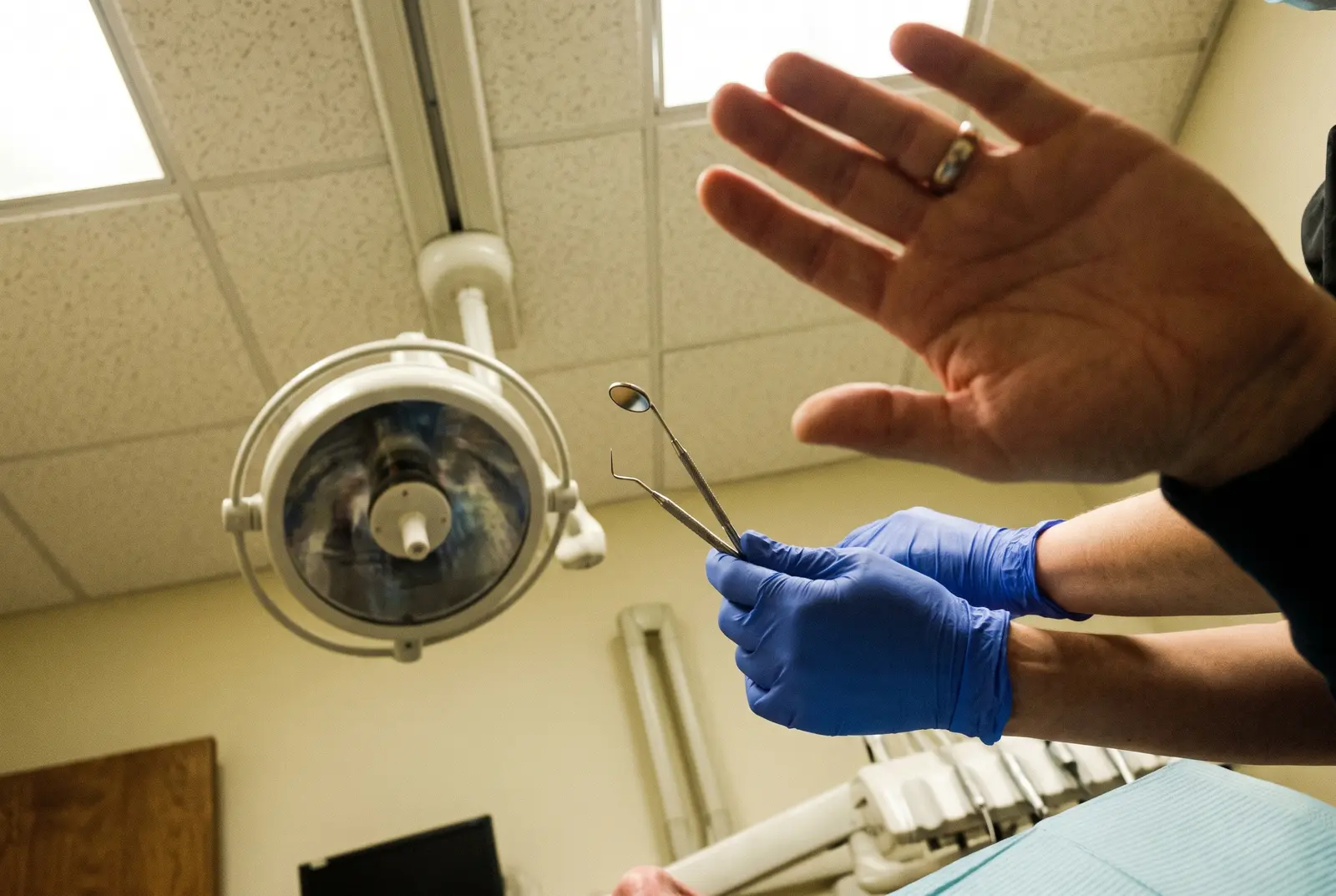
Ask to be told before, not during. Some people want every step narrated. Others want none of it. Both are fine. Say which you are.
Start with a visit where nothing happens. A check-up is a look and a few small x-rays. There is no drilling in it. You are allowed to come in, be looked at, get a plan, and leave without agreeing to anything.
Get the price in writing first. If part of your fear is the bill, take that variable off the table before you sit down. Our check-up and clean is a fixed $249, and anything larger is quoted in writing before it starts.
If that is not enough, there is sedation
For some people, the strategies above are not going to be enough on their own, and that is a normal thing rather than a failure.
There are three levels. Light relaxation takes the edge off while you stay awake and aware. Deeper sedation leaves you drowsy, and most people remember very little of it. For bigger cases or severe anxiety, there is full sleep dentistry with a specialist.
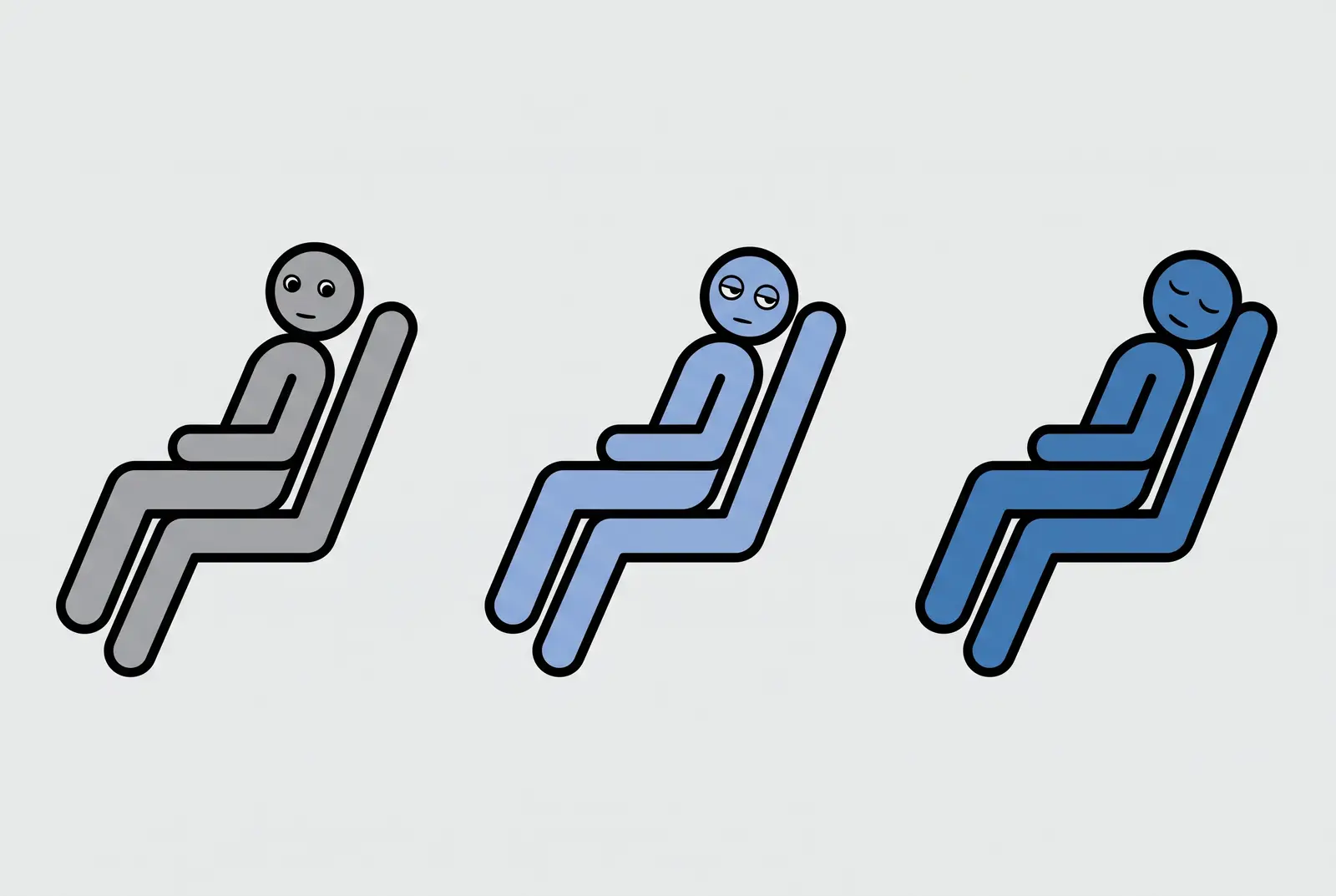
You do not have to know which one you want. That is a conversation, and it is matched to you and to what is actually being done.
Read more: Sedation options, explained simply
The judgement question
This is the one people are too embarrassed to ask, so here is the answer without being asked.
No. There is no lecture and no shame. Plenty of our patients had not been in years before they walked in. We look at where things are now, give you an honest plan, and you decide what happens next.
You will not be the worst thing anyone has seen this week. You will not even be the worst thing anyone has seen today.
What other nervous patients say
These are real reviews, left by real patients, on Google.
Eli, at our Southport clinic: "As someone who is genuinely anxious about visiting the dentist, I truly appreciated how gentle and considerate Dr Kyle was throughout the appointment. I left feeling calm, informed, and well looked after."
Chy, who describes her dentist as "Calm and considerate and extremely helpful", and then adds: "(Mind you I have a crippling phobia of the dentist)".
Mel, on the part that frightened her most: "I have anxiety about getting needles in my mouth", and then, "the way the team looked after me was outstanding".
None of those people stopped being anxious. They went anyway, and it went differently.
The smallest possible next step
Do not book treatment. You are not ready for that and you do not need to be.
Book a check-up, and put one sentence in the notes: "I am nervous, please go slowly."
That is the whole ask. One visit where nothing is done to you, so that your most recent memory of a dentist is a calm one instead of a bad one from decades ago. Everything after that gets easier, because you will be deciding from information instead of from dread.
Dental anxiety FAQ
Will you judge me for how long it has been?
No. There is no lecture and no shame. Plenty of our patients had not been to a dentist in years before they walked in. We look at where things are now, give you an honest plan, and you decide what happens next.
What if I need to stop halfway through?
Then we stop. Agree a hand signal with your dentist before anything starts, and raising it ends the appointment there. You do not have to explain yourself or push through.
Can I be asleep for it?
There are three levels. Light relaxation takes the edge off while you stay awake. Deeper sedation leaves you drowsy and most people remember very little. For bigger cases or severe anxiety there is full sleep dentistry with a specialist. We match the level to you and to what is being done.
I am frightened of the needle more than anything else. What can be done?
Tell us that specifically, because it changes what we do. We go slowly, explain each step before it happens, and you do not have to watch. For some people the right answer is sedation, so that the numbing happens once they are already relaxed. It is one of the most common single fears we hear, and it is one of the easiest to plan around.
Is it worth booking if I might cancel again?
Yes. Booking and cancelling is not a failure, it is progress that stalled. Book a check-up rather than treatment, put a note that you are nervous, and tell us when you arrive if you would rather just talk first.


