Five ways to prepare your child for their first dental visit
The first visit is not really about the teeth. It is about whether your child decides that this is a safe place. Here is how to load the dice in your favour, including the words to avoid.
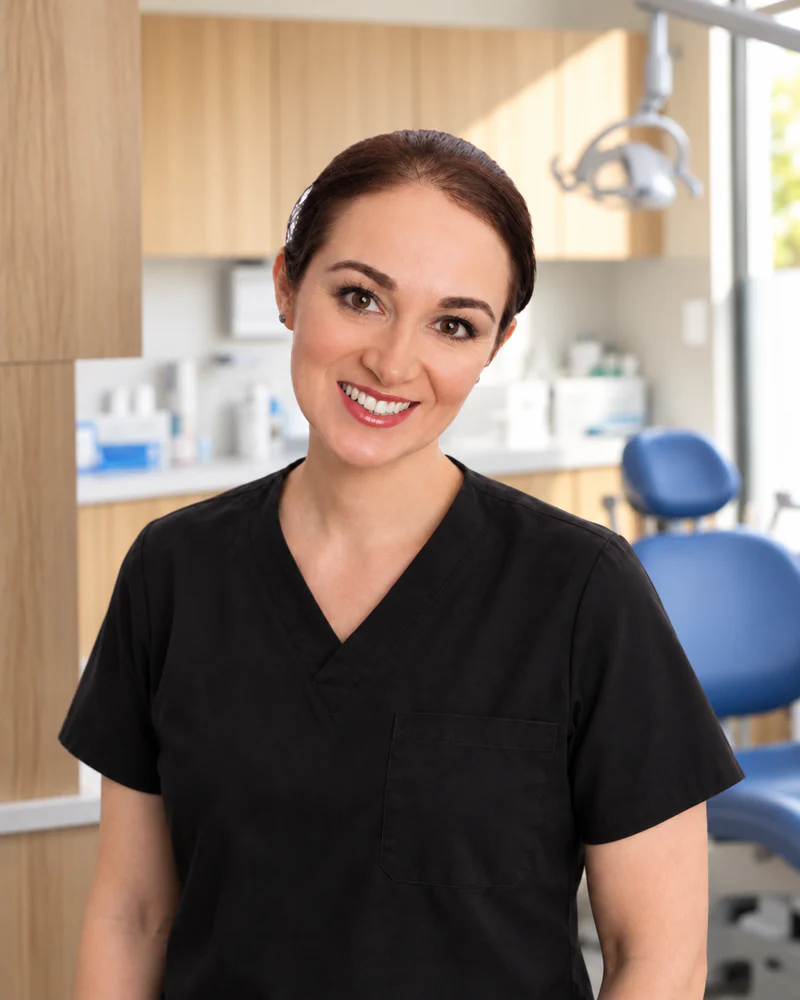

The first dental visit is not really about the teeth.
There is very little to find in the mouth of a one-year-old. What is actually being decided at that appointment is something else entirely: whether your child files this room under safe or under frightening. That decision tends to stick, and it can stick for thirty years.
So it is worth a bit of preparation. Here are the five things that make the most difference.
1. Go earlier than feels necessary
The common belief is that children do not need a dentist until they are old enough to understand what is happening.
The guidance is the opposite. A first visit by the first birthday, or within six months of the first tooth appearing, whichever comes first.
That sounds absurdly early, and the reason is the point of this article. A one-year-old has nothing to be afraid of yet. If their first few visits happen while there is nothing wrong, the chair becomes a boring, familiar place. Wait until something hurts, and their first ever experience of a dentist is being in pain in a strange room.
2. Pick somewhere set up for children
A practice that is excellent for adults is not automatically right for a four-year-old.
What you want is somebody who will go at the child's pace, who is happy for a first visit to achieve almost nothing, and who will not push if the answer is no today. Our children's dentistry appointments are built that way on purpose.
If your child has been somewhere that went badly, say so when you book. It changes how we run the appointment.
3. Watch your words very carefully
This is the one parents most often get wrong, and always with good intentions.
Avoid hurt, pain, needle, drill and injection. Avoid them even in reassurance, because "it will not hurt at all" contains the word hurt, and that is the word a small child keeps.
Go carefully with brave too. Telling a child they are being brave quietly tells them there is something here that requires bravery. They had not thought so until you said it.
Use small, flat, accurate words instead. We are going to count your teeth. The dentist is going to have a look. You get to ride in the chair that goes up and down.
And do not promise there will be no treatment if you do not know that. If a child is told nothing will happen and something does, you have spent trust you may need later.
4. Have a practice run at home
Play it out before the day. You be the dentist first, then swap and let them be the dentist on you, which is usually the part they enjoy most.
Keep the props honest and gentle. A toothbrush, a mirror, a chair to lie back in, and a lot of counting out loud. No drilling noises. No pretending anything hurts. The whole aim is that when they arrive, the room contains nothing they have not already seen at home.
5. Mind your own face
Children read the adult before they read the room. If you are tense in the waiting room, they will know before anyone has said a word.
Plenty of parents are genuinely anxious about dentists themselves, often because of how they were treated as children. That is common and there is no judgement in it. But it does transmit.
If that is you, tell us when you book. We can speak to your child directly rather than through you, seat you out of their line of sight, and slow the whole thing down. It works much better than trying to hide it.
What the visit actually looks like
Small, on purpose.
A look in the mouth, a count of the teeth, a check that things are coming through in the right order, and a conversation with you about brushing, bottles, dummies, thumb sucking and diet. Very young children often sit on a parent's lap the whole time rather than in the chair.
If your child will not open up on the day, that is a fine outcome. Sitting in the chair, meeting us and leaving cheerful is a successful first appointment. We would much rather build it over two or three short visits than force one look and lose them for a decade.
The bottom line
You are not preparing your child for a procedure. You are introducing them to a room.
Go early, go somewhere that will move at their speed, keep the frightening vocabulary out of it, rehearse at home, and keep your own nerves off your face.
A check-up and clean is a fixed $249, covering the exam, the scale and clean, fluoride and any bitewing x-rays needed, with your health fund claimed on the spot.
Read more: Helping a child who is already frightened of the dentist
Children's dentistry FAQ
When should my child first see a dentist?
By their first birthday, or within six months of the first tooth appearing, whichever comes first. That sounds early, and it is meant to. The point is not to find problems in a one-year-old but to catch anything developing early and to make the dental chair a normal place before there is ever a reason to worry about it.
What actually happens at a first visit?
Usually very little, on purpose. A look in the mouth, a count of the teeth, a check that everything is coming through as expected, and a conversation with you about brushing, bottles, dummies and diet. Small children often sit on a parent's lap rather than in the chair.
What words should I avoid?
Hurt, pain, needle, drill, and any promise that it will not hurt, because the child only hears the word hurt. Also go carefully with brave, which quietly tells a child there is something here to be brave about. Stick to counting teeth, taking a look, and a ride in the chair.
I am nervous about the dentist myself. Will that affect my child?
It can, because children read your face before they read the room. It is not a failing and it is very common. Tell us when you book. We can talk to your child directly, keep you out of their eyeline, and take the whole thing at a slower pace.
What if my child will not open their mouth on the day?
Then we do not force it, and the visit is still a success. Sitting in the chair, meeting us and leaving happy is a perfectly good first appointment. We would far rather build the trust over two or three short visits than get one look and lose them for a decade.


