
Top 10 Tips for Maintaining Dental Health After 40
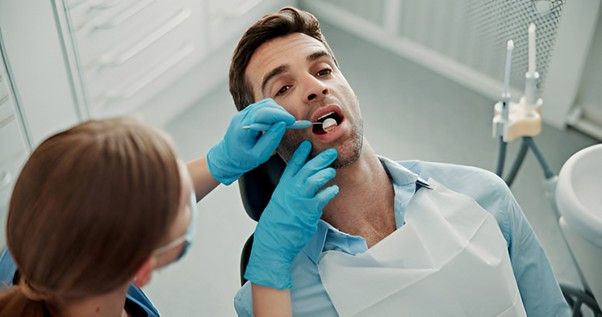
Your teeth change as you move through your forties, and the risks to your oral health increase in ways that are easy to overlook until a problem becomes serious. Gum disease, enamel wear, and bone loss all become more common after 40. At Enhanced Dental Studios, we believe that prevention is always better than treatment. Here are ten practical tips to help you protect your smile for decades to come.
Key Takeaways
- Gum disease risk increases significantly after 40 and is one of the leading causes of tooth loss for Australian adults.
- Regular professional cleans remove tartar that brushing alone cannot, making them essential at this life stage.
- Dry mouth from medications is common after 40 and creates a higher risk of tooth decay if not managed carefully.
- Your diet and lifestyle choices have a direct impact on how well your teeth hold up over the next few decades.
Turning 40 is often when people first notice real changes in their oral health. Gums may begin to recede. Teeth may feel more sensitive. Old fillings start to wear. The truth is, these changes do not happen overnight, and many of them are preventable with consistent daily habits and regular professional care that help improve gum health over time.
According to the Australian Government’s National Oral Health Plan, improving the oral health status of Australians and reducing the effects of oral disease are national priorities. The data behind these priorities is striking. One-third of Australian adults have moderate or severe gum disease, and that figure climbs steeply with age.
Tip 1: Brush Properly Twice a Day, Every Day
Proper oral hygiene for adults starts with using a soft-bristle toothbrush held at a 45-degree angle to your gum line. Spend at least two minutes brushing all surfaces thoroughly. Many adults brush for under a minute, which simply is not enough to remove plaque effectively.
Fluoride toothpaste is essential. Fluoride repairs the damage done by bacteria in plaque and reduces the risk of decay. Electric toothbrushes can also be helpful if arthritis or reduced dexterity makes thorough manual brushing difficult.
Tip 2: Floss Daily Without Fail
Flossing reaches the spaces where your toothbrush simply cannot go. Plaque that builds up between teeth and below the gum line is a primary driver of gum disease, which in its advanced form cannot be reversed, only managed.
If traditional floss is awkward to use, interdental brushes or water flossers are excellent alternatives. The key is consistency. Once a day is the minimum. Flossing before brushing is generally considered more effective, as it loosens debris that your toothbrush can then remove.
Tip 3: Understand the Real Risk of Gum Disease
Gum disease is the most significant oral health challenge facing Australians over 40. The proportion of adults with moderate or severe periodontitis increases sharply with age, from 33% in those aged 35 to 54, rising to 51% in those aged 55 to 74. Adults in the 35 to 54 age bracket average 3.6 missing teeth due to decay and periodontal disease.
Gum disease is largely silent in its early stages. By the time bleeding, pain, or swelling is obvious, damage is already underway. Periodontitis damages the soft tissue and bone supporting the teeth, which can cause loosening and ultimately loss. Early detection through regular check-ups is your best protection.
Tip 4: Schedule Professional Cleans Every Six Months
No matter how well you clean at home, tartar builds up in areas that brushing and flossing cannot reach. Only a dental professional can remove calculus safely, and leaving it in place feeds the bacteria responsible for gum disease and decay.
Teeth cleaning services at Enhanced Dental Studios are designed to remove built-up tartar, polish enamel surfaces, and give your dentist an opportunity to check for early signs of problems. Regular professional cleans are among the single most effective investments you can make in your long-term oral health.
Tip 5: Watch for Signs of Enamel Erosion
Enamel is the hard outer layer of your teeth, and it does not regenerate once it is gone. After 40, cumulative dietary and lifestyle exposure means enamel erosion becomes more visible. Symptoms include increased sensitivity to hot, cold, or sweet food and drink, and a yellowing or dulling of the tooth surface as the darker dentine below becomes more visible.
Reducing acidic drinks such as soft drinks, fruit juices, and sports drinks is one of the most effective steps you can take. Rinsing with water after eating acidic foods helps neutralise acid before it has a chance to attack enamel. Wait at least 30 minutes after eating to brush, as enamel is temporarily softened by acid and brushing too soon can accelerate wear.
Tip 6: Manage Dry Mouth Proactively
Saliva is one of your mouth’s most important natural defences. It neutralises acids, washes away food particles, and inhibits bacterial growth. Many common medications, including those for blood pressure, anxiety, and allergies, reduce saliva flow significantly.
If you are experiencing dry mouth, speak with both your GP and your dentist. There are specific toothpastes and mouth rinses formulated to support salivary function, and staying well hydrated with plain water throughout the day makes a meaningful difference. Chewing sugar-free gum can also stimulate saliva production.
Tip 7: Review Your Diet for Dental Health
What you eat shapes the condition of your teeth and gums just as much as how you clean them. Foods rich in calcium, such as cheese, yoghurt, and leafy greens, support strong enamel and healthy jawbone density. Crunchy vegetables like celery and carrots stimulate saliva and help scrub tooth surfaces gently.
Reduce your intake of refined sugars and sticky foods, which cling to tooth surfaces and feed decay-causing bacteria. If you drink coffee or tea regularly, try to rinse with water afterwards and ensure your teeth whitening appointments remain up to date. Professional teeth whitening treatments can address staining that builds up over time and restore the brightness of a healthy smile.
Tip 8: Ask About Dental Implants or Restorations If You Have Missing Teeth
Missing teeth create a chain reaction of problems. Adjacent teeth shift, bite force becomes uneven, and the jawbone in the gap begins to shrink. The longer a missing tooth is left unreplaced, the more complex and costly the eventual treatment.
Australians are retaining their natural teeth for longer, but also that increasing age brings increasingly complex oral health needs. Restorative options including implants, bridges, and well-fitting dentures can restore function and protect remaining teeth. Speak with your dentist about the most appropriate solution for your situation.
Tip 9: Quit Smoking and Moderate Alcohol
Tobacco is one of the most destructive habits for oral health. It restricts blood flow to the gums, masks the early warning signs of gum disease, dramatically increases oral cancer risk, and slows healing after any dental procedure. Gum disease is caused by bacteria in plaque, but smoking significantly accelerates its severity, with Queensland adults showing some of the highest rates of severe gum disease in the country.
Alcohol, particularly in combination with tobacco, substantially raises the risk of oral cancer. Moderating intake and maintaining regular dental check-ups that include oral cancer screening are important protective steps after 40.
Tip 10: Prioritise Your General Health for the Sake of Your Teeth
Oral health and general health are closely connected. Diabetes increases the risk and severity of gum disease. Osteoporosis can affect jawbone density and tooth stability. Heart disease has been linked to periodontal bacteria. Managing your systemic health conditions effectively is also an investment in your oral health.
Poor oral health is linked to diabetes, heart disease, and respiratory illness. These connections run in both directions, making integrated care across dental and medical professionals increasingly important as you age.
General dental services at Enhanced Dental Studios are designed to address the full picture of your oral health, from preventive cleans and gum disease treatment to restorative care. We take the time to understand your broader health context and provide advice that fits your individual needs.
Conclusion
Your forties and beyond can be the decades when your dental health either holds strong or starts to slip away. The difference often comes down to consistent habits and professional care. If you are ready to take your oral health seriously, the experienced team at Enhanced Dental Studios is here to help. Book your consultation today and take the first step toward a healthier, more confident smile.
FAQs:
How often should I see a dentist after turning 40?
Most adults benefit from check-ups every six months. Your dentist may recommend more frequent visits if gum disease or decay is present.
Why do gums recede as we age?
Gum recession can result from gum disease, overbrushing, teeth grinding, or natural changes in gum tissue that occur with age.
Can gum disease be reversed after 40?
Early gingivitis can be reversed with professional cleaning and improved hygiene, but advanced periodontitis can only be controlled, not cured.
What causes increased tooth sensitivity in your forties?
Enamel wear, gum recession, and exposed root surfaces are the most common reasons for increased sensitivity in middle-aged adults.