
The Ultimate Guide to Choosing the Right Invisalign Treatment
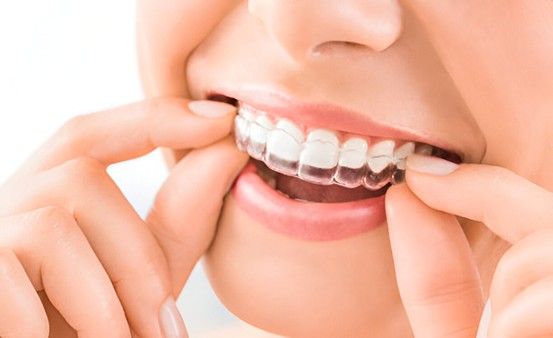
Choosing Invisalign is about more than straightening teeth. It is about comfort, precision, and long-term oral balance. At Enhanced Dental Studios, Invisalign treatment is planned with careful assessment, advanced imaging, and a clear focus on predictable results. Understanding how Invisalign works, who it suits, and what to consider before starting helps patients make confident decisions that protect both appearance and oral health.
Key Takeaways
- Invisalign offers discreet alignment solutions
- Treatment planning influences long-term success
- Professional supervision is essential
- Oral health improves with proper alignment
- Provider experience matters
Understanding What Invisalign Really Is
Invisalign is a custom orthodontic system that uses a series of clear plastic aligners to move teeth into their ideal position over time. Each aligner is worn for around one to two weeks before progressing to the next stage.
Unlike fixed braces, Invisalign aligners can be removed for eating, brushing, and flossing. This makes them particularly appealing to adults and teenagers looking for a more convenient and subtle treatment option.
Key features of Invisalign include:
- Virtually invisible appearance
- Custom-made aligners designed using digital scans
- Gradual, controlled tooth movement
- Fewer in-chair adjustments compared to braces
Understanding these fundamentals helps set realistic expectations from the start.
Why Invisalign Has Changed Modern Orthodontics?
Traditional braces are no longer the only path to a well-aligned smile. Invisalign has reshaped orthodontic care by offering discreet alignment without fixed brackets or wires. Clear aligners are custom-made to apply controlled pressure, guiding teeth into position gradually. This approach allows greater flexibility while maintaining clinical control throughout treatment.
Beyond appearance, Invisalign supports better hygiene, improved comfort, and fewer lifestyle interruptions. However, choosing the right Invisalign treatment requires professional planning rather than assumption or online comparisons.
Invisalign has transformed orthodontic care by offering:
- Removable aligners that support daily oral hygiene
- Predictable tooth movement through digital planning
- Improved comfort compared to fixed orthodontic systems
Know Which Dental Issues Invisalign Can Treat
While Invisalign is highly versatile, it isn’t suitable for every orthodontic case. It works best for mild to moderate alignment issues, though advanced systems can also address more complex concerns.
Invisalign can commonly treat:
- Crooked or crowded teeth
- Gaps between teeth
- Overbite, underbite, and crossbite
- Relapse from previous orthodontic treatment
Severe bite issues or complex jaw misalignment may require alternative treatments or a combination approach, which is why professional assessment is essential.
Choose the Right Type of Invisalign Treatment
Invisalign isn’t a single, one-size-fits-all solution. There are several treatment options designed to suit different levels of complexity.
Common Invisalign options include:
- Invisalign Express – For very minor adjustments
- Invisalign Lite – Suitable for mild to moderate cases
- Invisalign Moderate or Comprehensive – Designed for more complex orthodontic issues
- Invisalign Teen – Tailored for younger patients with growing teeth
Your dentist or orthodontist will recommend the most appropriate option based on your dental needs and treatment goals.
Consider Your Lifestyle and Commitment
Invisalign requires a high level of patient compliance to be effective. Aligners must be worn for 20–22 hours per day to achieve the desired results.
Before choosing Invisalign, think about:
- Whether you can commit to wearing aligners consistently
- How often do you eat or snack throughout the day
- Your willingness to clean aligners regularly
- Your daily routine and work or social commitments
For people with busy or unpredictable schedules, understanding these responsibilities upfront helps avoid treatment delays or unsatisfactory outcomes.
Assess the Experience of Your Invisalign Provider
Not all Invisalign providers have the same level of experience. Choosing a qualified and experienced dentist or orthodontist can make a significant difference in treatment success.
When selecting a provider, look for:
- Invisalign accreditation and ongoing training
- Experience treating cases similar to yours
- Use of advanced digital scanning technology
- Clear communication and personalised treatment planning
An experienced provider will also be better equipped to manage any complications or refinements that may arise.
Understand the Role of Digital Treatment Planning
One of Invisalign’s biggest advantages is its advanced digital planning system. Before treatment begins, your provider will create a 3D simulation showing how your teeth are expected to move over time.
This technology allows you to:
- Visualise your expected final results
- Understand the duration of your treatment
- Identify potential challenges early
- Make informed decisions with confidence
Digital planning improves accuracy and gives patients greater peace of mind.
Factor in Treatment Time and Follow-Up Care
Treatment length varies depending on the complexity of your case and how well you follow instructions. Some Invisalign treatments can take as little as six months, while others may take 18 months or more.
Follow-up care typically involves:
- Regular check-ups every 6–8 weeks
- Monitoring progress and fit of aligners
- Making adjustments or refinements if needed
- Planning for retainers after treatment completion
Retention is a crucial part of long-term success and should never be overlooked.
Consider Costs and Value, Not Just Price
Invisalign treatment costs in Australia vary depending on complexity, duration, and provider expertise. While cost is important, it shouldn’t be the only deciding factor.
When evaluating value, consider:
- The experience of your provider
- Inclusion of refinements and retainers
- Access to ongoing support and follow-ups
- Long-term results and stability
Many clinics offer payment plans, making Invisalign more accessible without compromising quality.
Making the Right Choice for Your Smile
Choosing the right Invisalign treatment is about more than straight teeth, it’s about finding a solution that fits your lifestyle, supports your oral health, and delivers lasting results. With the right provider, proper planning, and a commitment to the process, Invisalign can offer a comfortable and highly effective path to a confident smile.
Taking the time to understand your options ensures you make a decision that benefits your smile for years to come.
How Invisalign Treatment Works?
Invisalign uses a sequence of clear, removable aligners designed specifically for each patient. Every aligner moves teeth incrementally based on a digital treatment plan.
The process typically includes:
- A comprehensive dental assessment
- Digital scans of teeth and bite alignment
- A customised aligner sequence
- Regular progress reviews
According to Invisalign clinical resources, treatment planning accuracy plays a major role in outcome stability and treatment efficiency.
Factors to Consider Before Choosing Invisalign
Selecting Invisalign should involve more than appearance-based expectations. Several clinical factors influence whether Invisalign is the right solution.
Important considerations include:
- Tooth and jaw alignment
- Gum health and bone support
- Existing dental restorations
- Commitment to wearing aligners as directed
The Australian Dental Association highlights the importance of professional orthodontic supervision to ensure aligner treatment aligns with long-term oral health.
Invisalign Versus Traditional Braces
Both Invisalign and braces can achieve effective alignment when planned correctly. The difference lies in comfort, visibility, and lifestyle flexibility.
Invisalign offers:
- Removable aligners for eating and cleaning
- Minimal visual impact
- Fewer emergency adjustments
Traditional braces may be recommended for certain complex cases. A professional assessment determines which option provides the safest and most predictable result.
Why Professional Planning Matters?
Invisalign outcomes depend on accurate diagnosis and planning. Online aligner options may overlook bite function, jaw balance, and root positioning.
Professional Invisalign planning includes:
- Full bite assessment
- Monitoring tooth movement
- Adjustments as treatment progresses
Invisalign and Oral Health Benefits
Straight teeth are easier to clean. Proper alignment reduces areas where plaque and bacteria accumulate, lowering the risk of decay and gum disease.
Oral health benefits include:
- Improved brushing and flossing access
- Reduced uneven bite pressure
- Better long-term tooth stability
What to Expect During Invisalign Treatment?
Invisalign treatment is structured yet flexible. Most patients adapt quickly to wearing aligners and managing daily routines.
Typical expectations include:
- Wearing aligners for most of the day
- Changing aligners as directed
- Attending scheduled progress reviews
Discomfort is usually mild and temporary as teeth adjust to new positions.
Choosing the Right Provider for Invisalign
Experience, technology, and ongoing care matter when selecting an Invisalign provider. A well-planned treatment reduces delays, refinements, and relapse risk.
At Enhanced Dental Studios, Invisalign treatment is supported by:
- Advanced digital imaging
- Detailed treatment planning
- Ongoing professional monitoring
This approach ensures alignment that supports both aesthetics and oral health stability.
Conclusion
Choosing Invisalign is a decision that affects comfort, appearance, and oral health for years to come. When treatment is planned carefully and monitored professionally, Invisalign delivers controlled, predictable alignment without unnecessary disruption. If you are considering Invisalign and want tailored guidance, contact us today. Our team provides Invisalign treatment designed to support confident smiles and lasting oral health.
FAQs:
How long does Invisalign treatment take?
Treatment length varies depending on case complexity. Many Invisalign treatments range from several months to over a year.
Is Invisalign suitable for adults?
Yes. Invisalign is commonly used by adults seeking discreet orthodontic correction.
Does Invisalign affect speech?
Minor speech changes may occur at the beginning of treatment, but these usually resolve within a few days.
How often must aligners be worn?
Aligners should be worn for most of the day to support consistent and effective tooth movement.
Can Invisalign fix bite issues?
Invisalign can address certain bite concerns when treatment is planned and monitored by a qualified dental professional.
Are the results permanent?
Long-term results depend on wearing retainers as advised and maintaining ongoing dental care after treatment.