
Smile Makeovers: What to Expect
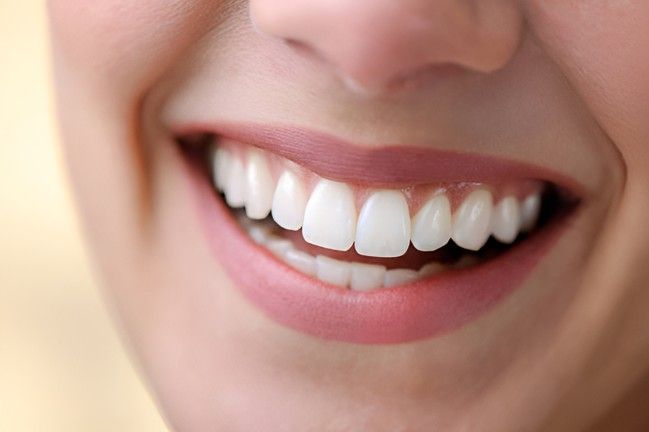
A smile makeover is a planned sequence of treatments rather than a single procedure. It might combine whitening, veneers, alignment, or crowns depending on what your teeth actually need. At Enhanced Dental Studios, we plan these carefully across Brisbane and the Gold Coast. Here is what the process genuinely involves.
Key Takeaways
- Treatment is tailored, never a fixed package.
- Health issues are addressed before cosmetic work.
- Most makeovers span several weeks or months.
- Veneers require permanent enamel removal.
- Realistic expectations matter more than perfection.
It Starts With Assessment, Not Treatment
The first appointment is a conversation and an examination. Your dentist will look at tooth condition, gum health, bite alignment, and how your teeth sit against your lips and face when you speak.
This stage matters because cosmetic work placed over untreated problems fails early. Decay, active gum disease, or a heavy grinding habit all need addressing first. That is not a delay tactic. It is what protects the investment you are about to make. Legal commentary notes that practitioners are now required to conduct thorough consultations covering risks, benefits and alternatives before treatment.
Expect the consultation to cover:
- Photographs and digital scans of your teeth.
- X-rays to check bone and root health.
- A discussion about what specifically bothers you.
- Written treatment options with itemised costs.
What Might Be Included
No two makeovers look alike. Some involve one treatment repeated across several teeth, others combine four or five approaches. Common components include whitening, porcelain veneers, crowns, bonding, gum contouring, and orthodontic alignment.
Whitening is often the starting point because it establishes the shade everything else will match. Only registered practitioners may use higher concentration products, as the Dental Board of Australia confirms that anything above 18 per cent carbamide peroxide or 6 per cent hydrogen peroxide must be supplied by a registered dental practitioner following proper assessment.
Alignment frequently comes before restorative work, since straightening teeth first often reduces how many veneers are needed. Smile makeover treatments at Enhanced Dental Studios are sequenced with that logic in mind.
Gum contouring is the component most people overlook. If your teeth appear short or your gum line sits unevenly, reshaping the tissue can transform the result without touching a single tooth. It is often the difference between a smile that looks treated and one that looks natural. Digital planning has improved this considerably, and research programs at the University of Sydney Dental School now include clinical and digital dentistry technology among their major focus areas.
Understanding Veneers Before You Commit
Veneers deliver the most dramatic change, and they also involve the most permanent decision. Traditional porcelain veneers require removing a thin layer of enamel, and enamel does not grow back.
Improper preparation leaves the underlying tooth vulnerable to decay, and notes that no prep options preserving tooth structure typically last only five to seven years, while well fitted porcelain can last considerably longer.
Longevity data supports careful planning. A retrospective study conducted at an Australian university clinic and published through researchers found a five year cumulative survival rate of 83.9 per cent for single unit crowns, with most failures traced to identifiable clinical factors rather than chance.
The Timeline Is Longer Than Most Expect
Television makeovers compress months into minutes. Reality moves differently, and that is a good thing.
A typical sequence looks like this:
- Consultation and Planning: One to three appointments.
- Preparatory Treatment: Fillings or gum therapy as required.
- Whitening: Completed and allowed to settle before matching.
- Restorative Work: Preparation, temporaries, then final placement.
Temporary restorations deserve attention. They let you live with the proposed shape and length for a week or two before anything permanent is made, which is your best opportunity to request adjustments.
Speak up during that window. Ask a family member for a second opinion, take photographs in natural light, and note anything that feels too long, too bulky, or simply not like you. Adjusting a temporary costs nothing. Adjusting bonded porcelain is a far larger undertaking.
Costs and What Health Funds Cover
Cosmetic treatment sits outside Medicare, and private cover is limited. Guidance from Compare the Market explains that purely aesthetic treatments are unlikely to attract a benefit, though procedures with a genuine clinical purpose may qualify under major dental.
Comparison research adds that most basic and mid range extras policies exclude veneers entirely, so a top tier policy including major dental is usually required for any rebate. Ask for written quotes and check item numbers with your fund before committing.
Setting Expectations You Can Live With
The happiest patients are rarely those chasing perfection. They are the ones whose expectations matched what was clinically achievable for their mouth.
Regulation now reinforces this. Guidelines introduced for non surgical cosmetic procedures, including veneers, took effect in September 2025 and require practitioners to discuss risks, benefits and alternative treatments during a thorough consultation. Coverage in Aesthetic Medical Practitioner adds that a seven day cooling off period now applies to anyone under eighteen considering these procedures.
Maintenance also continues afterwards. Porcelain resists staining but the surrounding natural teeth do not, and gum health determines how the margins look in five years.
Conclusion
A smile makeover works best when health comes first, planning is thorough, and expectations stay grounded. Take your time over the consultation, ask about alternatives, request written quotes, and never feel rushed into a decision. To discuss what might genuinely suit your teeth, book with us at your nearest clinic.
FAQs:
How long does a smile makeover take?
Most take several weeks to a few months, depending on whether alignment or preparatory treatment is needed.
Are smile makeovers painful?
Discomfort is usually mild, since local anaesthetic is used and modern techniques minimise sensitivity during preparation.
Do veneers damage your natural teeth?
Traditional veneers require removing a thin enamel layer permanently, which is why careful planning beforehand matters.
Does health insurance cover a smile makeover?
Rarely in full. Purely cosmetic treatment is generally excluded, though clinically necessary work may attract benefits.
How long do smile makeover results last?
With good care, porcelain restorations commonly last ten to fifteen years or longer before replacement is needed.
Can everyone have a smile makeover?
Most people can, provided decay, gum disease and bite problems are treated before cosmetic work begins.