
4 Easy Steps to Improve Gum Health in 30 Days
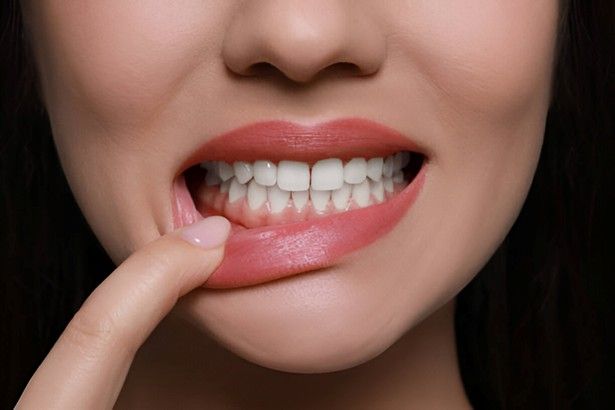
Gum health often shifts quietly, showing early signs before becoming difficult to manage. Bleeding, sensitivity, and inflammation can develop without a clear routine in place. At Enhanced Dental Studios, we focus on practical care that supports lasting improvement. With consistent habits and attention to daily routines, noticeable changes can occur within a month. A structured approach helps strengthen gums, reduce irritation, and support overall oral stability.
Key Takeaways
- Consistency matters more than intensity
- Diet plays a direct role in gum strength
- Professional cleaning is essential
- Small habit changes create lasting impact
Why Gum Health Deserves Attention
Gums act as the foundation for your teeth. When they weaken, everything else follows. Early signs, such as bleeding gums, swelling, or sensitivity, can progress if left unchecked. Ignoring these signals may lead to discomfort, instability, and more complex dental concerns over time. Consistent attention helps maintain structure, function, and overall oral balance.
- Supports tooth stability and long-term function
- Helps prevent progression of gum-related conditions
- Reduces discomfort, swelling, and sensitivity
- Contributes to fresher breath and oral hygiene
- Maintains overall oral health and confidence
With a few simple habits and a bit of consistency, you can noticeably improve your gum health in just 30 days.
Here’s a straightforward, no-fuss guide to getting your gums back in top shape.
Step 1: Nail Your Daily Oral Hygiene Routine
Let’s start with the basics, because honestly, most gum issues come down to not quite getting this right. Plaque buildup along the gumline is the main culprit behind inflammation, gingivitis and gum disease.
Instead of rushing through your brushing, take your time and focus on technique.
- Brush twice a day for at least two minutes
- Use a soft-bristle toothbrush to avoid irritating your gums
- Angle your brush at 45 degrees toward the gumline
- Replace your toothbrush every 3 months (or sooner if it’s worn out)
- Don’t forget to brush your tongue gently
Flossing is just as important, even if it feels like a chore at first. It removes food and plaque that your toothbrush simply can’t reach.
- Floss once a day, preferably before bed
- Be gentle to avoid damaging your gums
- Use floss picks or water flossers if traditional floss is tricky
Stick with this routine daily, and within a couple of weeks, you’ll likely notice less bleeding and irritation.
Step 2: Upgrade What You Eat and Drink
Your diet plays a bigger role in gum health than you might think. Sugary snacks and acidic drinks feed the bacteria that cause gum problems, while nutrient-rich foods help your gums heal and stay strong.
Think of it this way, your gums need proper fuel to repair themselves.
- Eat more crunchy fruits and veggies like apples and carrots (they help clean teeth naturally)
- Include foods rich in Vitamin C, such as oranges, strawberries, and capsicum
- Add leafy greens like spinach and kale for overall gum support
- Drink plenty of water throughout the day to wash away bacteria
At the same time, try to cut back on things that do more harm than good.
- Limit sugary drinks like soft drinks and energy drinks
- Avoid excessive alcohol, which can dry out your mouth
- Reduce snacking between meals, especially on processed foods
You don’t have to be perfect, just making better choices most of the time will go a long way.
Step 3: Use the Right Products
Not all oral care products are created equal. If your gums are already a bit sensitive or inflamed, switching to the right tools can make a noticeable difference.
Start by choosing products designed specifically for gum care.
- Use toothpaste formulated for gum health or sensitivity
- Try an antibacterial mouthwash to reduce plaque buildup
- Consider an electric toothbrush for a more thorough clean
- Look for products with fluoride to strengthen teeth and gums
If you’re dealing with ongoing gum issues, it might be worth trying a therapeutic mouth rinse for a couple of weeks. Just don’t rely on mouthwash alone, it’s meant to support brushing and flossing, not replace them.
And remember, more isn’t always better. Overusing harsh products can actually irritate your gums further, so stick to recommended usage.
Step 4: Stay Consistent and Check In with a Professional
This is where most people slip up, consistency. You can’t expect long-term results if you only stick to good habits for a few days here and there.
Set yourself up for success by building a routine you can actually maintain.
- Brush and floss at the same time every day
- Keep your oral care tools easily accessible
- Set reminders if you tend to forget
- Track your progress over the 30 days
Within a month, you should start noticing:
- Less bleeding when brushing or flossing
- Reduced gum swelling or redness
- Fresher breath
- A cleaner, healthier feeling overall
That said, home care can only do so much. Seeing a dental professional is still essential, especially if you’ve had ongoing issues.
- Book a dental check-up if you haven’t had one in the past 6 months
- Ask about a professional cleaning to remove hardened plaque (tartar)
- Get personalised advice based on your gum condition
If your gums are in rough shape, don’t stress, dentists deal with this stuff every day and can help you get back on track.
What to Expect After 30 Days
If you stick to these four steps, you’ll likely see real improvements in just a month. Your gums should feel firmer, look healthier, and bleed far less, if at all.
- Reduced bleeding during brushing
- Less gum sensitivity
- Improved breath
- Healthier gum colour and firmness
But here’s the key: don’t stop once you hit the 30-day mark. Gum health is an ongoing thing, not a one-off fix. Keep the habits going, and you’ll not only maintain your progress but also keep improving over time.
Conclusion
Improving gum health does not require complex routines. It requires consistency, attention, and the right guidance. Over 30 days, these four steps can help restore comfort and strengthen your oral foundation. If you’re noticing early signs of gum concerns or want a structured approach tailored to your needs, contact us today. Our team is ready to support you with practical care and professional insight.
FAQs:
How long does it take to improve gum health?
With consistent care, early improvements can appear within a few weeks, though long-term stability requires ongoing effort.
Why do my gums bleed when brushing?
Bleeding often indicates inflammation caused by plaque build-up or improper cleaning techniques.
Is flossing really necessary every day?
Yes. Flossing removes debris between teeth where brushing cannot reach.
Can diet affect gum health?
Absolutely. Nutrient-rich foods support tissue strength, while sugary foods can increase bacterial activity.
How often should I visit a dentist for gum care?
Most people benefit from check-ups every six months, though this may vary based on individual needs.
Can gum disease be reversed?
Early-stage gum issues can often be improved with proper care. Advanced conditions require professional treatment.